

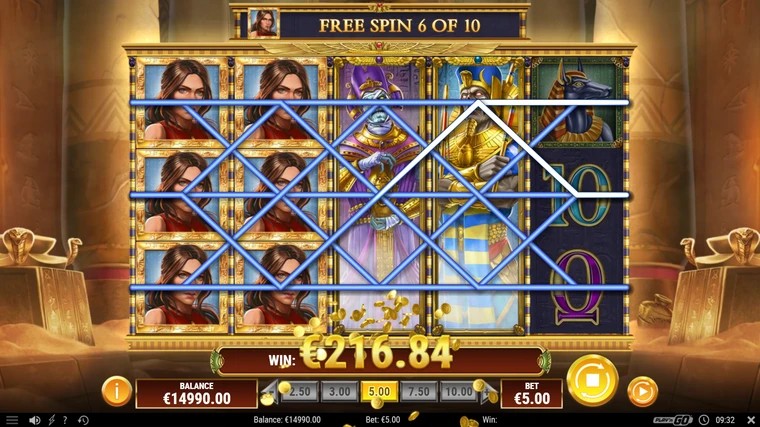





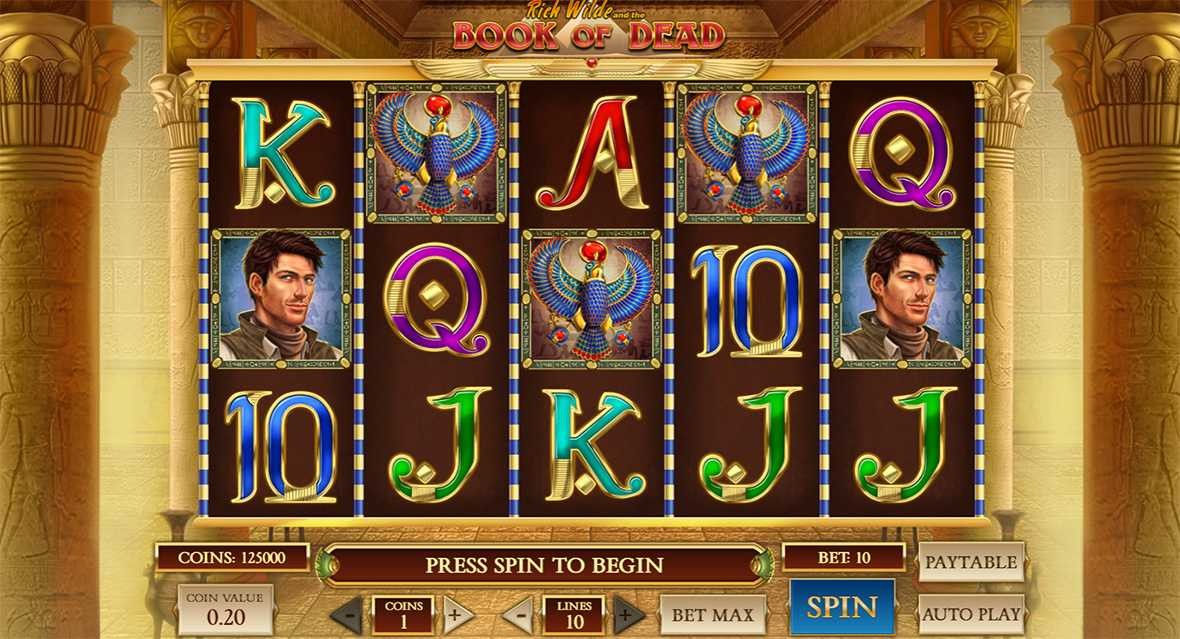
Book Of Dead Demo Game In Norway
Try Book Of Dead for free, learn symbols and bets at a calm pace, and play in Norway only when you are 18+ and have set limits.
Demo Book Of Dead: How To Start Properly
Imagine you just want to check if this is your type of slot, but without spending money right away. In demo mode, you get the same buttons and the same flow, but with a fictitious balance. Many press spin at high speed to "get to the point". Instead, do the opposite - play slowly, and watch one round at a time.
Find three things before you play more: where you adjust your bet, where the rules are located, and how to stop the session. If you're testing on mobile, silence notifications first, otherwise, you'll quickly become more impulsive than you think. Once you have control over these points, you can play in short bursts and end without drama.
In Norway, this is also a simple way to play responsibly: you respect 18+, take breaks, and choose platforms that operate within current frameworks without needing to guess legal details.
All promotional incentive structure is clearly stated in writing and/or via electronic means in an easily understood manner. All codes are accompanied by an explanation of what the code is for, who is eligible to use the code, and how it should be used. As such, players are less likely to be confused about what is required of them in order to receive a reward and how the reward will be applied after receiving it. The promotional incentives provided to participants provide them with time to become familiar with the gaming system's mechanics, their interface, and progress, before deciding how deeply they wish to become involved with this platform. Therefore, players are encouraged to participate in an informed manner, rather than being pressured or tempted to act quickly.
Book Of Dead Demo Slot: What You Should Notice
Imagine you like the theme, but are unsure if the rhythm suits you over time. In a free test, you can focus on three questions: is the game easy to read, do you understand the symbols without guessing, and does the pace feel comfortable when you play calmly? Usually, you know the answer quickly, but only if you don't get carried away by effects or 'just one more round'.
Notice the communication on the screen. Do you clearly see when you win, and do you understand why it happened? If you have to search for explanations, read the rules again, or stop and choose something simpler. Many gain better control when they take a short break after a close series of rounds.
When you later consider real money, it's precisely the overview that counts. Can you say to yourself: 'I find the bet, I find the rules, and I stop when I decide'? If not, there's no hurry to proceed.
How to Test Features Without Stress
Imagine you open the game late at night and something suddenly happens that you don't understand. It's easy then to click through to 'figure it out', and that's precisely where many lose control. Test structured instead: short series, one change at a time, and a fixed finish line. You learn more in 40 calm rounds than in 300 fast ones.
Try a simple plan: play 20 rounds at a normal pace, change your bet once, and play 20 more. Afterwards, stop and check if you still know what level you were playing at, and what actually influenced the result.
Bet and Pace in a Controllable Session
Imagine you want to test several bet levels without losing track. Keep the pace consistent while adjusting your bet. Many increase both bet and speed simultaneously, making it impossible to know what affected the experience. Instead, play slowly, and take a short break after every fifth round to check that you're still paying attention.
If you use autospin, set a low number of rounds and a clear stop rule. When you notice that you start to look away from the screen, automation is the last thing you need.
Rules, Symbols, and Bonus Logic
Imagine you get a sequence of special symbols and feel like 'something has to happen now'. That's often the moment where players start to interpret patterns that don't exist. Make it practical: open the rules, find the symbol overview, and see what actually triggers extra features. Once you've seen a feature in practice, read that section one more time - now it makes sense.
Ask yourself in the middle of the session: 'Do I know why this is triggered, or am I just hoping?' If it's mostly hope, take a break or stick to shorter sessions.
Imagine your plan slips because you get distracted by messages or other tabs. Create a simple routine: mute notifications, close unnecessary apps, and decide that you never change your bet more than once per test session. That makes your choices clearer.
Keep the session 'clean'. If you often lose focus, avoid scrolling and playing at the same time.
Imagine you notice irritation, or that you're spinning faster without knowing why. That's rarely a sign that you should continue. Take a break immediately, stand up, and only come back if you actually want to play - not because you feel like you 'have' to finish something.
If you often end up with 'just one more round', use timeouts or longer breaks. It removes the temptation in the moment.
Finance and Account in Norway
Imagine you've tested enough to like the flow, but want to avoid stress when playing with real money. The safest sequence is simple: account first, security second, limits before deposit. Many do the opposite because they want to 'get started', and end up cleaning up when they are impatient.
In Norway, you should play within applicable rules and always respect 18+. Choose solutions that offer tools for limits and breaks, and use them actively.
Registration and 18+ Check
Imagine you want to withdraw money later, but are stopped because the account is not verified. Therefore, complete registration and any verifications early. Use a strong password, and activate extra login security where available.
Keep the account private. Log out after the session, and avoid automatic login on shared devices.
Deposits With Plan and Limits
Imagine you've just had a fun test session and feel like you want to continue immediately. That's precisely when you should slow down. Decide your budget before opening the payment menu, and keep the amount low at first. Think of the amount as a 'price for entertainment', not as a tool to get something back.
Here is an overview that helps you choose a method with a cool head, without being tied to details that may vary:
|
Payment Options |
When It's Convenient |
Perceived Pace |
What You Should Check Before Continuing |
|
Bank Card |
When you want an easy start |
Fast |
Own limits, confirmations, device security |
|
Bank Transfer |
When you prefer structure |
Slower |
Account details, extra checks, patience |
|
E-wallet |
When you want to separate private finances |
Often fast |
Login, extra security, balance overview |
|
Mobile Payment |
When you play on your phone |
Fast |
Notifications, screen lock, avoid distractions |
|
Prepaid Solution |
When you want to control max usage |
Varies |
Purchase routine, stopping point, no impulse top-ups |
Withdrawal and Practical Follow-up
Imagine you want to end a session and withdraw part of your balance, but you become unsure and click around. Do it neatly: end the session first, read the instructions, and follow the steps calmly. Avoid switching methods in the middle of the process without reason.
If something seems unclear, contact customer support with specific details: time, device, and what you did right before it stopped. And if you notice you're getting stressed, take a break and continue later.
Mobile Experience And Technical Details
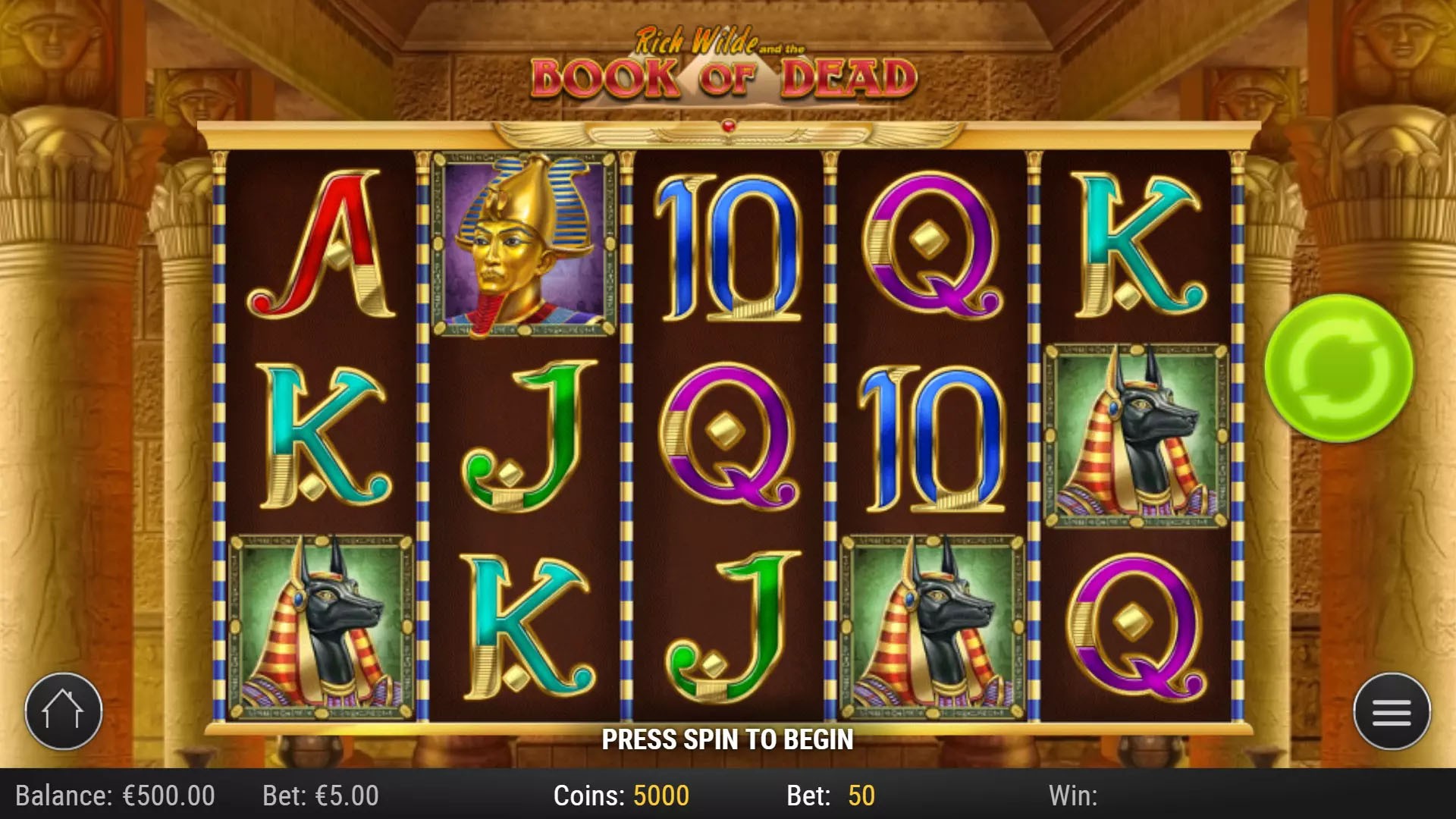
Imagine you're playing on your mobile and thinking it's "just a little bit". Suddenly it's late, and you've clicked more than you thought. Mobile makes it easy to slip into autopilot, so always test with a focus on control: clear stakes, a calm pace, and short sessions.
Start with a clean setup. If the game lags, you often become more impatient, and impatience leads to poorer choices.
Browser On Mobile And Tablet
Imagine you experience a slight lag and press twice because you think nothing is happening. If you're playing in a browser, make sure it's updated, and close other tabs that consume performance. Mute notifications before you start, so you're not pulled out of focus in the middle of a round.
Keep the session short when you're out. Unstable internet and a lot of movement make you more impulsive.
App Or Shortcut: What Feels Best
Imagine you want minimal friction and the ability to start and stop quickly. Some prefer an app, others like the browser because it's easy to close. Regardless of your choice, you should check permissions and settings so that you don't grant more access than necessary.
Do a small test: play a short session, log out, and log in again the next day. If this feels organized, it's a good sign.
Stability And Troubleshooting
Imagine the game freezes, and you feel irritated. Do a calm check: update, close and reopen, restart the device, and switch networks if you can. When you handle technical problems in a structured way, you prevent irritation from affecting your decisions.
If the problem persists, note what happened and when. That makes it easier to get help.
Device Security
Imagine you lose your phone or lend out your tablet. Use screen lock, log out after the session, and avoid saving passwords in open notes. This is also a practical way to ensure that the account is not used by others.
If you play on a shared PC, use private mode and log out every time. It takes seconds, but can save a lot of stress.
Responsible Gaming With Book Of Dead In Norway
Imagine you start a session for fun, but notice you're playing to "make something happen." That's one of the clearest reasons to use limits. Responsible gaming is about system: budget, timeframe, breaks, and tools like timeout or self-exclusion when you need them.
Create a plan that is easy to follow when you are tired or excited. A simple rule is often best: one session, one timeframe, one stopping point.
Summary: How To Conclude Smoothly
Imagine you want to be able to look back at the session and say: "I decided, and I stuck to it." End after a fixed number of rounds or when the alarm rings, not according to your mood. Take a short break before starting a new session, so you make a new decision with a clear head.
If you notice that you often negotiate with yourself, use timeout. And if gaming takes up more space than you wish, consider self-exclusion and talk to someone you trust.
FAQ
How do I try the game for free without spending money?
Imagine you just want to check the flow for a few minutes. Choose demo mode with a fictitious balance, find the bet control, and open the rules before spinning a lot. Play a short series of rounds at a normal pace, and stop for a quick check: do you still know what the bet is, and do you understand what happened on the screen? When you quit while still having an overview, you learn more and avoid autopilot.
What should I read in the rules before I start?
Imagine a feature is triggered and you don't understand why – many people then click next instead of understanding. Start with the symbol overview, how winnings are calculated, and what triggers extra rounds or special effects. Read briefly, play a little, and go back to the same section one more time. The second review is often what makes the mechanics truly stick.
How do I test stakes and tempo without losing track?
Imagine adjusting both your stake and speed simultaneously – then everything becomes unclear. Keep the pace stable, change your bet only once, and play another short series of rounds. Take a mini-break after every fifth round and check if you're still keeping track. If you notice yourself starting to rush, slow down or stop the session entirely. Control beats “more rounds” every time.
What limits should I set before making a deposit?
Imagine you're in a good mood and just want to “keep going a bit”. It's easy then to decide on large amounts in the moment. Start with a session budget, a clear timeframe, and a stop-loss rule, and decide that these should not be negotiated away while you're playing. Also, choose a fixed break in the middle of the session so you can make a new decision with a clear head. In Norway, you always play within 18+.
What do I do if I notice myself chasing losses?
Imagine you're thinking “I just need to get some back”. That's a warning light, not a plan. End the session immediately, take a break long enough for the stress to dissipate, and do something completely different in the meantime. Use a timeout if available, and choose a longer self-exclusion if the pattern repeats. If this starts to feel difficult to manage alone, it's wise to talk to someone you trust early on.
How do I play safer on mobile when I'm out?
Imagine you're playing in a queue or on a bus and are constantly interrupted. This increases the chance of misclicks and impulsive choices. Mute notifications, ensure a stable internet connection, and keep the session short with a fixed stopping point. Avoid transactions when distracted, and always log out afterwards. With screen lock and tidy routines, your mobile becomes a safer place to play.