






Book Of Dead In Norway: Play With Control
Practical advice for stakes, withdrawals, and breaks when playing Book Of Dead in Norway - always 18+ and with clear limits.
Book Of Dead Jackpot
Many search for this phrase because they want to understand one thing: how realistic is it to hit a big prize, and what can you actually control yourself? The short answer is that you cannot control the outcome, but you can control the session. And when you control the session, the game feels less like a rollercoaster.
Imagine opening Book Of Dead after work and thinking you'll just play “a little”. After a few rounds, you start hoping for the big prize, and you notice your finger moving faster. It's a common moment. The smart thing is to meet it with a plan, not with more speed.
In practice, “big prize” is a collective term. Some platforms use words like top prize, others talk about maximum payout or highest win. Regardless of the word choice, you should think of it as a rare event over many rounds, not as a milestone you can “work your way towards” in one evening.
If you play in Norway, the frameworks are also part of the overall picture. The game may be available on platforms that accept players from Norway, but it is always 18+ and it should always be possible to set limits for deposits, time, and breaks. It's not decoration. It's the foundation that prevents excitement from slipping into stress.
A useful mental model is this: You pay for entertainment per round. Some rounds give small returns, some give nothing, and a few give big outcomes. When you see it that way, it becomes easier to stop when the plan says stop - instead of pushing the stopping point because you “feel something is happening”.
All promotional incentive structure is clearly stated in writing and/or via electronic means in an easily understood manner. All codes are accompanied by an explanation of what the code is for, who is eligible to use the code, and how it should be used. As such, players are less likely to be confused about what is required of them in order to receive a reward and how the reward will be applied after receiving it. The promotional incentives provided to participants provide them with time to become familiar with the gaming system's mechanics, their interface, and progress, before deciding how deeply they wish to become involved with this platform. Therefore, players are encouraged to participate in an informed manner, rather than being pressured or tempted to act quickly.
Book Of Dead Max Win
When people search for this phrase, they are often looking for a specific number. It can be tempting to get hung up on that, but the most important thing for a regular player is what the term does to your behavior. The idea of a “top win” can either motivate a calm, structured session - or trigger a hunting mode.
Imagine you've started, you've had a period without much luck, and you begin to think: “If I just hold out a little longer, the big payout could come.” That thought is dangerous because it makes the session endless. Instead, you should decide in advance how long you will play, and stick to it, regardless of whether you feel “close” or not.
The top win is a theoretical upper limit under specific conditions, often related to how symbols and features combine. It does not mean you should play higher to “reach” it. Higher stakes only increase how quickly your budget can disappear, and how difficult it becomes to take breaks calmly.
What you can do is to play smart in the sense of being controlled: start at a level that gives you many rounds for your budget, play in blocks with breaks, and avoid changing stakes in reaction to emotions. When you have control over these three things, “maximum win” becomes just part of the story - not a motor that controls your evening.
In Norway, it's also worth actively using responsible tools. If you know that you easily get carried away by big opportunities, set a time-out in advance and make “stop” an automatic decision. Excitement is fine. Loss of control is not.
How the Game Mechanics Work
To play calmly, you don't need to learn everything by heart. You just need a practical understanding of what counts, what triggers, and how your pace affects the experience. When you know that, you stop guessing and start controlling.
Imagine you open the game on your mobile and press spin a little too quickly, without seeing what actually won in the previous round. After ten minutes, everything feels random, and you become restless. With a simple understanding of the mechanics, you become calmer: you see patterns in the rules (not in “luck”), and you take better breaks.
Symbols, Hits, and Flow
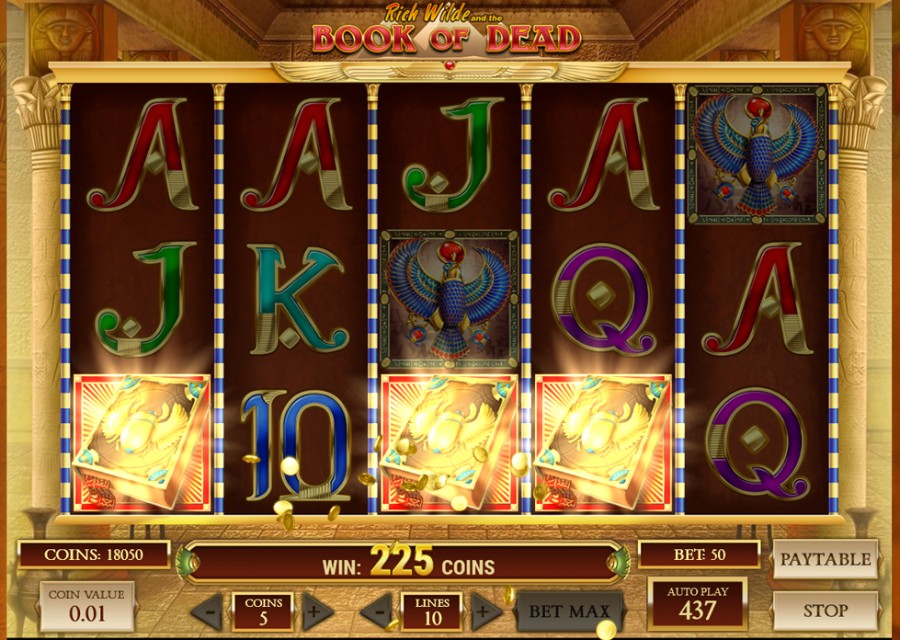
The first thing you should do is find out how winnings are calculated. Some games pay out based on lines, others on symbols landing in specific patterns. When you don't know this, the classic irritation arises: you see 'many similar' and expect a lot, but get little.
Imagine you get several similar symbols scattered across the screen and think there 'must be something there'. If the rules require a specific placement, it can be perfectly normal for it not to trigger a win. In that case, it's better to spend 30 seconds checking game info than to 'test' with a higher stake.
The flow of the game is also affected by how you play. Manual spins give you small stopping points. Auto-spins can speed everything up, and fast sessions make emotions stronger. If you're new, it's often smarter to play manually, slower, with clear breaks.
When you start noticing that you're clicking without looking, that's a signal. Not a signal that something is about to happen - a signal that you should stop and breathe. It's that kind of self-observation that keeps gaming entertaining.
Features and Bonus Moments
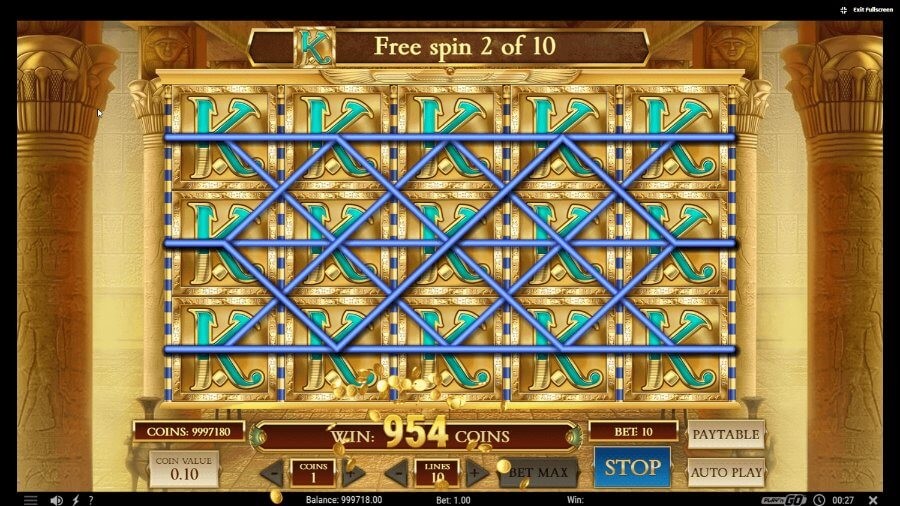
Features and bonus moments are designed to feel big. That's why they can also make you continue longer than planned. The most common trap is deciding you'll stop 'after something exciting has happened'. Then you move the finish line every time.
Imagine you've been playing for 25 minutes and actually plan to stop, but you think you want to stay for a few more rounds because you feel a feature is near. This is the moment where a plan must win over emotion. Stop when your time is up, not when you get a 'good reason' to continue.
A better way to view features is as a bonus, not as a goal. If they happen within your session - fine. If not - also fine. You pay for rounds, not for promises.
When something triggers and your pulse rises, take one concrete step: slow down. Play more calmly, and take a break afterwards before deciding to continue. Many lose control in the transition from an intense sequence back to regular play, because they want to 'keep the momentum'.
When the pace increases, stake choices suddenly become more important than you think. Small increases feel insignificant, but they can make your budget disappear quickly. That's why you should lock in your stake for a block and not touch it until your break.
Imagine you're a bit excited and tempted to raise your stake one level 'just to see'. If you want to test, do it structured: test in a new, short block with a clear time limit, not as an impulse in the middle of the same session.
Long periods without significant hits can create irritation and eagerness. This is often when players start playing faster, increasing their stakes, or depositing more. The best response is the opposite: a shorter session, slower pace, and a clear stop.
Imagine you notice you're starting to 'click to get it over with'. Then you are not in a good state to play. Take a timeout. Get up, do something else for ten minutes, and consider whether you actually want to continue - without the spin button in front of you.
How to Set Up Account and Limits
The setup around the game is as important as the game itself. Account, settings, and limits determine whether you have a calm session or one that stops midway through. Many ignore this because they want to start quickly, but that's precisely when friction turns into stress.
Imagine you're planning a calm evening, but suddenly you have to confirm details just when you're in the flow. The irritation makes you make quick decisions. If you've completed the setup beforehand, you avoid the whole situation.
Registration and Age Verification
Registration and age verification can feel like an interruption, but it's also part of responsible gaming. In Norway, 18+ is a basic rule, and serious platforms will often ask for verifications before or in connection with deposits and withdrawals.
Imagine you're having a good session and want to stop, but you encounter extra steps that need to be done right then and there. Many continue playing 'while they sort it out', and the session drags on. Better habit: complete the steps when you are calm, log off, and only start when everything is ready.
Keep it simple: fill in correct information, check that your profile is updated, and set limits early. This will make the rest of the experience much more stable.
Deposits With a Plan
Deposits should be a planned action, not a reaction to a bad period. You decide the amount, you decide the stake, and you decide the time - before you start. When you do that, it becomes much harder to 'top up a bit' impulsively.
Imagine you've deposited an amount and played for a while without much return. You feel the urge to deposit more to get another chance. Stop the session first. Exit the game, make the choice without stimuli, and ask yourself if this is still entertainment. If the answer is no, it's better to stop.
A good rule is 'one deposit per session'. Once it's used, the session is over. The rule is simple, but it saves many from chasing.
Pause Tools and Reminders
Pause tools are not just for 'problems'. They are for regular sessions too, because they create stopping points that are not dependent on mood. A time limit and a reminder can be the difference between 20 minutes and two hours.
Imagine you're playing on your mobile and time disappears. The reminder pops up, and you want to ignore it because you 'just want to see a bit more'. Instead, take a micro-break: put down the device, get up, and decide again. If you continue, slow down.
If you notice that you often get irritated or play to win back, a timeout is a better choice than to 'try a bit more'. And if it repeats, a longer self-exclusion is a smart safety net.

Withdrawals and Practical Routines
A calm player has routines. Deposits happen according to plan. Withdrawals happen without drama. And you don't start a new session just because you're waiting for something. Routines might sound boring, but they give you freedom: you avoid making big decisions when you're most affected by emotions.
Imagine you're in profit and feel like continuing because things are going well. That's a critical moment. A routine could be: stop, secure a portion, and continue (if you do continue) at a slower pace and with the same stake. Then you end the evening with control, not with a long final sprint.
|
Routine Area |
What You Check |
Why It Helps |
|
Withdrawal Plan |
Decide a time to stop |
You avoid playing on 'just a little more' |
|
Stake Control |
Fixed level per block |
Less impulse and more predictable duration |
|
Timeframe |
Hours or round limit |
You get stopping points even when you're excited |
|
Deposit Rule |
One deposit per session |
Prevents emotional top-ups and chasing losses |
|
Breaks |
Timeout when irritated |
Breaks patterns before you make bad choices |
When You Should Secure Winnings
Securing winnings isn't about being 'scared', but about making a good session better. Many give back a lot at the end because they want to finish strong or 'exploit the flow'. This is often when the pace increases and plans fall apart.
Imagine you're slightly in profit and feeling confident. Stop for a minute. Decide if you want to secure a portion, and do so before continuing. If you keep playing, reduce the pace and keep your stakes stable. This protects both your results and your mood.
A calm finish is often the most professional thing you can do as a player: stop when the plan says stop, not when the feeling says 'just one more'.
Payment Methods and Expectations
Different methods can feel different, especially regarding processing and confirmations. The most important thing is not to build expectations that everything must happen immediately. When you expect a process, you become more patient - and patience prevents waiting-play.
Imagine a status is pending and you become restless. It's easy to start a new session to pass the time. Don't do it. Finish, do something else, and check later. Waiting time is not a signal to play more.
Also, choose your method before starting the session, not at the end when you're tired or hyped. Small decisions are better when made calmly.
Verification Without Stress
Verification becomes most stressful when it appears unexpectedly. If you complete necessary steps early, withdrawals and account management feel more predictable. It's not about assuming anything - it's about removing friction.
Imagine you want to finish and secure something, but you have to find documentation at the last minute. The irritation can trigger 'I'll continue a bit while I look'. That's a trap. Better: complete the steps outside the session, and only play when everything is ready.
If you're unsure what's needed, ask support specifically. It's better than guessing and getting irritated.
Customer Support With Specific Questions
Customer support works best when you ask practical questions. Describe what you did, when it happened, and what you expected. Avoid long explanations about feelings - stick to verifiable facts.
Imagine you have questions about a payment status or break settings. Instead of sitting there clicking further, contact support with a short, clear question. Once you get an answer, complete the step and log off. This prevents frustration from leading to more playing.
It's also perfectly fine to ask about responsible gambling tools: how to set limits, take breaks, and activate self-exclusion. Playing 18+ also means using the available tools.
Common Mistakes and Small Adjustments
The most common mistakes are small and repeated: slightly higher stakes, slightly longer sessions, slightly fewer breaks. Over time, it becomes a pattern. Fortunately, small adjustments can have a big effect - you don't need to change everything, just one thing at a time.
Imagine you often start 'to play a few rounds' and end up playing much longer. That doesn't mean you lack discipline. It means you lack a stopping point. Set a time limit before you start, and stick to it without discussion.
Another classic is playing in the wrong state: stressed, tired, or irritated. Then choices become more impulsive. If you find yourself in that state, make the session short, keep stakes low, or don't play at all.
Checklist For Next Session
Before you start, take 20 seconds: set a time limit, choose a fixed stake, and decide on a stopping point. Imagine you become eager or irritated - then it's the plan that should guide you, not your emotions. When you finish calmly and use breaks, playing in Norway becomes an activity for 18+ entertainment, not a burden.
FAQ
What does a big prize mean in practice?
It means a rare occurrence over many rounds, not something you can count on in a single session. Imagine you play for 20 minutes - the outcome can fluctuate a lot without indicating for sure 'when' something big will come. What you can control is your budget, pace, and breaks.
How do I choose stakes without losing control?
Start at a level that allows your budget to last long enough for you to play calmly, and keep that level fixed in a block. Imagine you're tempted to increase after some losses - take a break instead. Stable stakes and shorter sessions provide better control than quick jumps.
When should I use a timeout?
When you notice irritation, haste, or the thought of winning back losses, a timeout is the right choice. Imagine you're clicking faster and stop paying attention - then you're heading into autopilot. A break breaks the pattern before you make decisions you regret.
How do I avoid emotional top-ups?
Have a simple rule: one deposit per session, and never a new deposit without stopping the session first. Imagine you get a strong impulse to deposit more - exit the game, make the choice calmly, and ask yourself if this still feels like entertainment. If not, stop.
What is a smart way to finish?
Finish because the plan says so, not because you 'feel' you're close to something. Imagine you're in profit and want to continue to exploit the flow - stop, secure a portion if you wish, and only continue in a new, short block at a slow pace. A calm finish is often the best gain.
What can I ask customer support about?
Ask about your account, settings for breaks and limits, payment flow, and anything that might be missing for verifications. Imagine you get frustrated and want to click further - contact support instead with a specific question. The more precisely you describe the situation, the faster you'll get a useful answer.
What do I do if gambling takes up too much space?
Use responsible gambling tools early: a timeout to break a session, and a longer self-exclusion if the pattern repeats. Imagine you repeatedly play longer than planned or feel worse afterwards - then you need a clear stop, not more promises. Gambling should be 18+ entertainment, and it's perfectly right to take breaks when it doesn't feel good.