







background

Book Of Dead Game For Players In Norway

This is a practical review of mobile and desktop: setup, deposits, withdrawals and breaks for adult players (18+) in Norway.

Book of Dead
Book of Dead

Book Of The Dead Game In Norway - How To Start

When you want to play Book of Dead in Norway, it's smart to start with frameworks, not rounds. The game can be found at various online casinos that offer slots to adult players, and the experience is best when you know in advance where to find your account, history, support, and responsible gaming tools. It doesn't have to be complicated, but it should be conscious.

Imagine you open the casino on your mobile during a short break. You see the game, press start, and think “I'll just play a few rounds”. Five minutes later, you've forgotten both time and budget. The easiest way to avoid this is to create a mini-routine: check your balance, set a timeframe, choose a stake level, and decide what ends the session.

A tidy start also involves practical choices. Mobile gives speed, PC often gives more calm. If you notice that you easily tap too fast or get distracted by notifications, a larger screen and a calmer environment can help you make better decisions. And regardless of platform: 18+ is the baseline, and responsible tools (breaks, limits, self-exclusion) should be ready before you start.

All promotional incentive structure is clearly stated in writing and/or via electronic means in an easily understood manner. All codes are accompanied by an explanation of what the code is for, who is eligible to use the code, and how it should be used. As such, players are less likely to be confused about what is required of them in order to receive a reward and how the reward will be applied after receiving it. The promotional incentives provided to participants provide them with time to become familiar with the gaming system's mechanics, their interface, and progress, before deciding how deeply they wish to become involved with this platform. Therefore, players are encouraged to participate in an informed manner, rather than being pressured or tempted to act quickly.

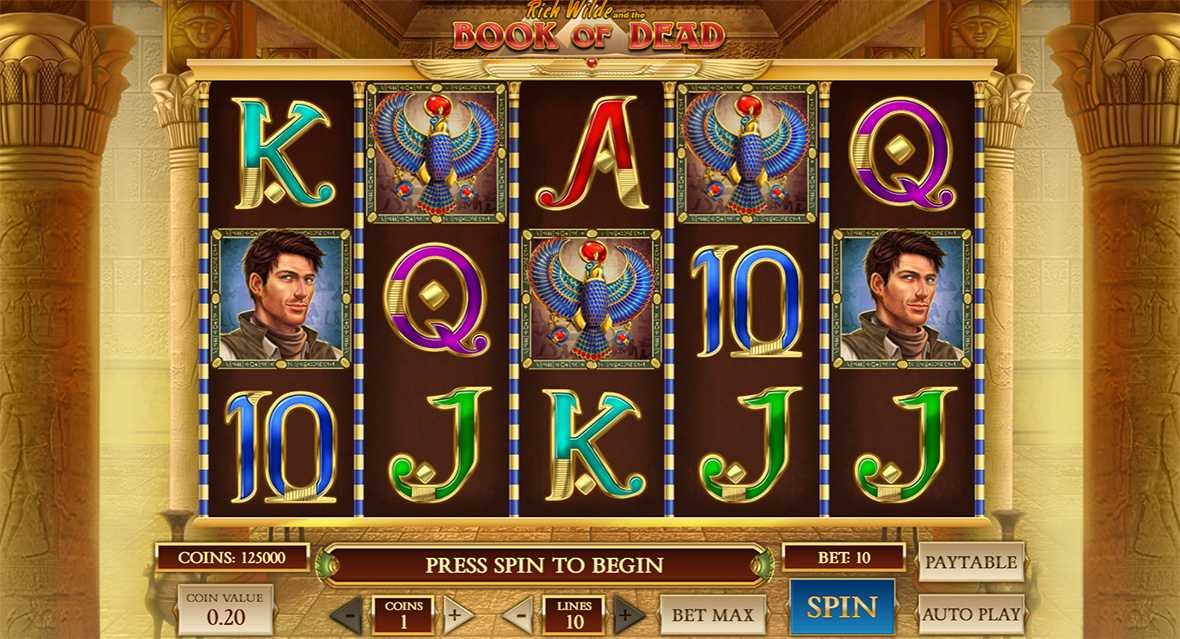
game image 1
Book of Dead

Top casinos for playing Book of Dead — current list

ALF Casino
ALF Casino
Mafia Casino
Mafia Casino
LeoVegas
LeoVegas
Book of Dead Betway
SG Casino
Book of Dead Betano
Retro Bet
Book of Dead

What You Actually Do Before Your First Spin

Before the first round, you should do three things that many people skip: secure your login, find limit settings, and understand where history is displayed. It's 'boring' for two minutes, but those are the two minutes that make the rest less stressful. Once everything is in place, you can focus on the game instead of menus and uncertainty.

Imagine you're registering quickly, with an unstable network, and have to switch between apps to retrieve codes. You get annoyed, try several times, and end up spending more time cleaning up than playing. Instead, you can do it smartly: register when you have peace and stable coverage, complete verifications, and log in properly once before you start clicking around.

Next, it's about choosing the framework. Set a maximum duration for the session and an amount you can afford to lose without regretting it afterwards. Many think this takes away the fun, but it often does the opposite: you avoid negotiating with yourself along the way. And once you've made your choice, stick to the plan long enough for it to actually work.

game image 2
Book of Dead

Gameplay Flow, Features, and Everyday Choices

Book of Dead is a game where the pace can often tempt you into a 'just one more' mode. When you play in short blocks and take breaks, it becomes easier to keep track of both time and money. You don't need to analyze every symbol, but you should analyze yourself: do you become more restless, more impatient, more willing to change your bet? That's often where the real control lies.

Imagine you're sitting on the sofa with the TV in the background. You're playing while simultaneously replying to messages, and suddenly you're not entirely sure how much you've spent. A better way is to make the session 'clean': close other apps, mute noise, play one block, and take a short break. It doesn't take time, it saves time.

Stakes, Pace, and Breaks

Stake level is not just a number; it's a decision that affects the entire feel of the session. Lower stakes can give you more time to play calmly, while higher stakes often make the session shorter and more intense. The right choice is what suits your finances and your mood right now, not what feels 'brave'.

Imagine you've had a good start and feel like increasing your bet to 'capitalize on the momentum'. Many do this, hit a dry spell, and then increase again to catch up. It's a classic spiral. A simpler approach is to choose one level per block of rounds, and only consider changing after a break where you're actually thinking clearly.

Breaks should be standard, not an emergency solution. Set a timer in advance, or use reminders if available. When you take a break, do something concrete: get up, drink water, check your balance and history, and ask yourself if you're still playing because you want to, or because you're trying to 'fix' something.

How to Keep Track on Mobile

Mobile gaming is convenient, but it's also more frictionless. You can log in quickly, make deposits quickly, and start a new round with one tap. Therefore, you need to build in friction yourself. The best friction isn't difficult rules, but small habits: checking your balance before and after a block, keeping your stake stable, and ending with a clear action.

Imagine you're playing on your way home, and the network is a bit shaky. You become unsure if an action went through, and you tap again. That only creates more mess. The calmest solution is to stop, check history and status, and wait until the connection is stable before doing anything that affects money or your account.

On mobile, you should also make the screen 'safe': screen lock, short automatic lock time, and don't leave your account open. It sounds strict, but it's the same mindset as online banking. You want to play to have a good time, not to get an extra worry.

Notifications can push you into a session you were actually done with. They can also disturb you in the middle of a login or account action, leading to errors. Therefore, it's wise to mute everything that isn't about security and status, and let the rest be silent when you play.

Imagine you've decided to stop, but your phone pings, and you go in 'just to see'. Suddenly you're playing again. If you want more control, it's better to do the opposite: give yourself a quiet environment, and let the session start because you choose it, not because your phone insists.

A simple step is to create a fixed start: before you play, mute noise and close other apps. When you finish, close the app completely. Small actions turn into habits, and habits prevent the session from getting out of hand.

Timeout is a pause button for the brain. It's especially useful when you notice yourself becoming impatient, irritated, or starting to chase losses. Self-exclusion is a stronger tool for periods when you know you need distance, not just a short stop.

Imagine you're sitting late at night thinking 'I need to get back what I lost before I go to bed'. That's a bad time to make more decisions. In that situation, a timeout is often the most practical choice you can make. And if this pattern repeats itself, a longer block can be a mature way to clear space in your daily life.

Use the tools early, not as a last resort. When you activate a break before you're fully emotional, stopping becomes easy. When you wait until you're stressed, stopping feels difficult. The difference is timing.

Book of Dead

Deposits and Withdrawals With Minimal Friction

Transactions are where many lose their calm. Not because it's dangerous, but because they do it in the wrong situation: on the go, with a bad network, or while annoyed. A tidy process means you make deposits and withdrawals when you have the mental surplus to pay attention, and that you check history instead of guessing.

Imagine you're making a deposit while walking, and then the screen goes black because the battery is low. You get stressed and try again later without checking what actually happened. That's exactly how mess arises. A better habit is to do these steps when you have peace of mind: check battery, check network, read the amount one more time, and confirm.

Choose a Payment Method That Suits You

The most important thing is not 'what's fastest', but what gives you an overview. Choose a method you are familiar with, which has clear confirmations and a history you understand. On small screens, it's easy to overlook details, so give yourself a fixed rule: read the amount, check your limit, and only then confirm.

Imagine you're in a queue and need to catch something. You tap quickly, get a confirmation you don't read, and think everything is fine. Later you discover that you didn't follow your plan. It takes two seconds to avoid: stop, look at the amount, and stick to the framework you set.

Here is a simple overview that can help you keep control of the entire flow:

Part of the Flow

What You Check

Practical Habit That Helps

Deposit

Amount, personal limit, confirmation

One deposit per session, no topping up without a break

Withdrawal

Method, status, history

One request at a time, follow status calmly

Account

Settings, security, reminders

Log out when finished, use screen lock

Mobile Environment

Network, battery, notifications

Play with stable coverage, suppress distractions

Limits

Time, loss, break options

Set boundaries before the session starts, not in the middle of it

Help

Where support is available, what you did last

Note the time and error message before asking

Stress-Free Withdrawal

Withdrawals become easier when you treat them as a checklist, not a race. Choose a method, enter the amount, confirm, and then let the process work while you follow the status in your history. What often creates stress is doing several things at once: changing methods, altering details, or sending multiple requests because you are impatient.

Imagine seeing “under processing” and getting anxious. You refresh, click around a bit, and try again. Suddenly, you don't know what applies. The calm solution is to let one request stand, check the status periodically, and contact support only if you can concretely explain what you see.

If you are going to make a withdrawal, preferably do it when you have a stable internet connection and time to complete it without interruption. It's not dramatic, it's just practical. When you do things calmly, you make fewer mistakes.

Verification Without Messing It Up

Confirmations and identity checks can feel like a barrier, but they often become difficult only when you do them in a hurry. Poor lighting, unclear photos, and incomplete documents are common reasons why you have to do things again. Therefore, the strategy is simple: do it neatly once.

Imagine taking a photo late in the evening, and the text becomes grainy. You send it anyway because you want to finish. The next day, you are told it wasn't good enough, and you have to start over. The smarter way is to use good lighting, lay the document flat, and check the preview before sending.

Also, keep track of what you have submitted. You don't need to save more than necessary, but it helps to know which images you used and when you sent them. When you have structure, the process becomes shorter and less annoying.
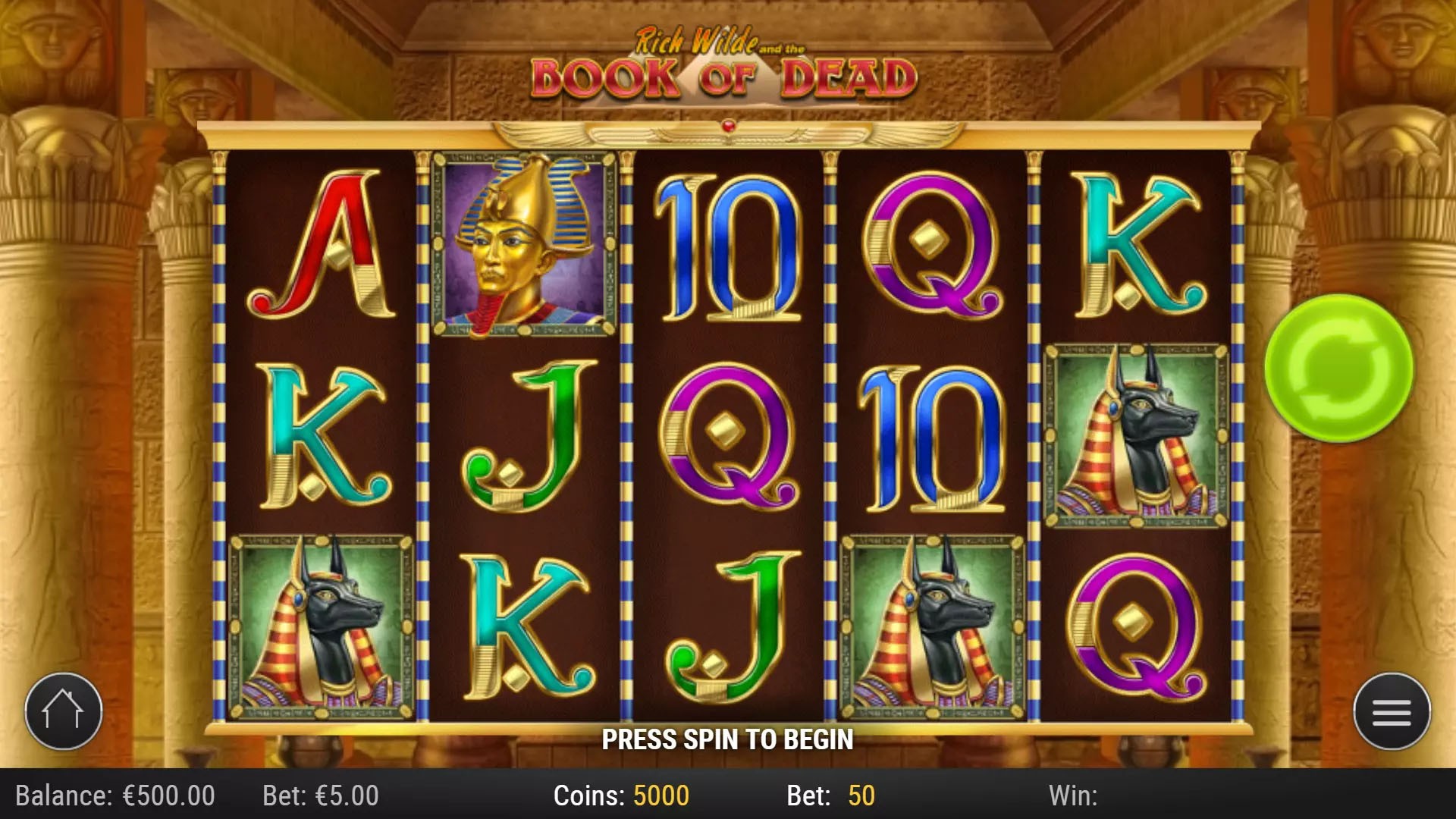
game image 3

Book of Dead Casino Bonus Codes Activation Process

Book of Dead Casino Bonus Codes Conditions

How to Choose Session Length and Budget

There is no "right" session length, but there is a right session length for you today. If you are tired, the session should be shorter. If you are distracted, the stake should be lower. The point is not to push yourself, but to make the session comfortable and controllable. When you manage to end without a struggle, you have found the right level.

Imagine sitting down and thinking you'll just play a little. Without boundaries, “a little” often turns into “a lot”. With boundaries, it actually stays a little. That difference means more than all small tricks and advice.

Start With a Test Session

A test session is a short block where you learn the pace and your own reactions. Choose a low stake, set a timer, and stop when it rings. The goal is not to get a specific win, but to feel how you behave when things go both well and badly.

Imagine opening the game and noticing you become restless after a few minutes. That's a signal that you should keep the session shorter or take breaks more often. The test session gives you a mirror. It doesn't show you what the game “wants,” but what you do.

Once you have successfully completed a test session, you can consider a slightly longer session later. But if you can't, it's not a defeat. It's just information you can use to adjust.

Keep Stakes Stable

Stable stakes mean you don't have to make new decisions all the time. When you change stakes often, it's easy for it to become an emotional reaction. And when stakes become emotion, it becomes harder to stop.

Imagine you get a small win and think “now I'll increase”. Then you hit a dry spell and increase again to recoup. This happens quickly, especially on mobile. A simple rule that works: one stake level per block, and any changes only after a break where you check your balance and think clearly.

If you want to vary, do it planned. Decide in advance when you are allowed to change, and what constitutes a reasonable step. Then change becomes a choice, not a twitch.

What You Do After a Good Round

A good round can be just as dangerous for control as a bad one. Not because you “have to” give everything back, but because you often become more optimistic and more willing to take risks. The most common mistake is to use the winnings as an excuse to play longer than planned.

Imagine you get a nice boost and feel like you want to “continue while things are going well”. That's when you should do the opposite: take a break. Check your history, decide if you want to quit or play another short block, and stick to the framework you set before you started.

A practical exit can be to lock in the feeling: stop while you're in a good mood, not only when your mood turns. This gives the session a better ending, and you avoid being left with irritation.

What You Do After a Dry Spell

Dry spells cause many to play faster and change stakes more often. It's completely human. The problem is that these choices are rarely good. If you notice you're starting to chase, it's a signal that you need a break, not more speed.

Imagine thinking “something has to happen soon”. You click faster, you increase a bit, and you lose your calm. Here, a simple stop rule helps: when you feel impatient, take a break. Not later, but immediately. It breaks the spiral before it takes over.

If you still want to play after the break, you can play a short block with the same stake as before. If you can't manage that, it's often better to stop for the day. Entertainment shouldn't feel like work.

Support, Troubleshooting, and Small Routines

Most problems are practical: slow loading, unstable internet, an app that needs updating, or an account action that requires an extra confirmation. When you encounter this, it's easy to get irritated and start clicking more. That's rarely smart. A short routine often solves more than you think.

Imagine the game freezes and you're tempted to click again multiple times. You end up not knowing what was actually registered. Instead, you can take three calm steps: close the app completely, check your internet connection, reopen and look at your history. If something is still unclear, note the time and what you did last, and contact support with a brief explanation.

Support works best when you are concrete. Don't write long and emotional. Write short and precise: what you did, what you expected, what happened. Then you often get a clear answer faster. And if what you really need is a break, use the break tool first - it's often the most responsible choice.

Short Checklist Before You End

Ending should be an action, not a wish. Check your balance and history, close the game, and log out or close the app completely. Imagine you're “done” but stay seated because you want to see one more round - then you need a fixed rule that makes the choice for you. When you end the same way every time, it becomes easier to keep gaming as entertainment for 18+ in Norway, not as a habit that slips.

FAQ

How do I start a session without losing control?

Start with time and budget, not with spins. Set a timer, choose an amount you can afford to lose without getting annoyed, and decide what ends the session. Imagine you get drawn into the pace - then the framework is what stops you, not willpower. End when the plan says stop, even if you want to continue.

What do I do when I'm tempted to increase my stake?

Take a break before changing anything. Many increase because they are impatient or because a small win gives too much optimism. Imagine you want to “capitalize on the flow” - that's often an emotional choice. Instead, decide that stakes can only be changed after a break where you check your balance and assess whether the session still feels like entertainment.

When should I use a timeout or a longer break?

When you're chasing losses, playing faster than planned, or noticing irritation. These are the clearest signals. Imagine saying “just five more minutes” multiple times - then you're already over the limit. Timeout provides a stop that doesn't require a mental struggle, and a longer break might be appropriate if the pattern repeats.

How do I avoid trouble with mobile deposits?

Make deposits when you have a stable internet connection, enough battery, and peace around you. Read the amount an extra time before confirming, and stick to one payment per session. Imagine you're in a queue and get interrupted - it's easy to press too fast then. A calm check of the amount and limit takes seconds, but saves you stress later.

What is the calmest way to follow a withdrawal?

Treat withdrawals as a checklist: choose a method, confirm the amount, and follow the status in the history. Avoid sending multiple requests or changing account details while something is being processed. Imagine you get impatient and click more - you often end up with less overview then. One request and one status line provide peace of mind.

How do I handle identity verification without redoing everything?

Use good lighting, take sharp photos, and ensure the document is complete, without cut-off corners. Imagine you take a picture late at night and the text becomes grainy - then the chance of rejection and extra rounds increases. It's better to do it properly once, check the preview, and keep track of what you sent.

What do I write to support to get faster help?

Write briefly and concretely: what you did last, what you expected, and what happened instead. Include the time and which part of the account it concerns, without unnecessary details. Imagine you just write “it doesn’t work” - then you often get general answers and more back and forth. A precise description usually gives a precise answer.

Play Now
🇬🇧 English